
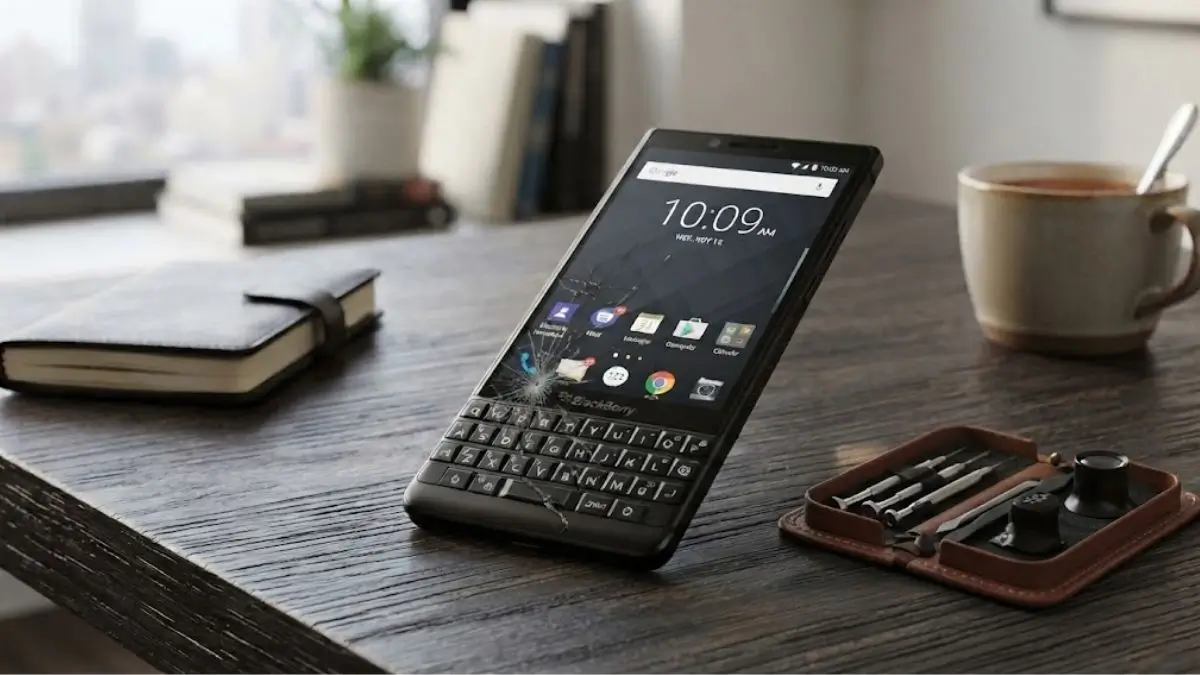
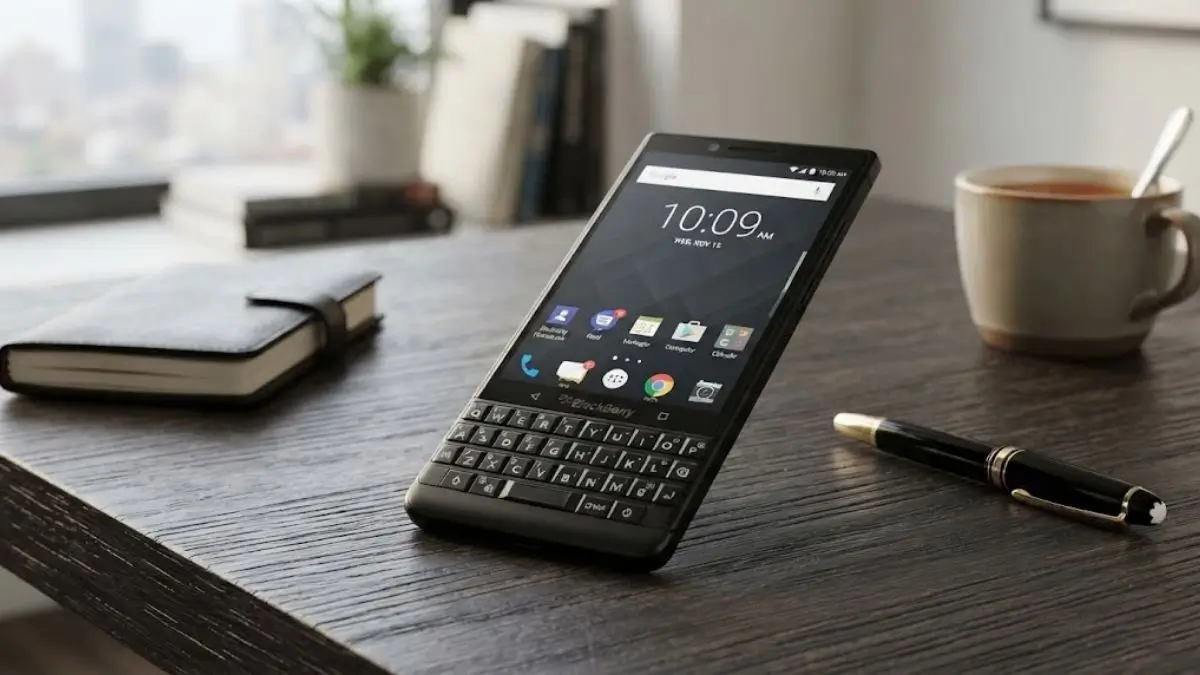
Long before the phrase “smartphone addiction” became a global talking point, society was already experiencing its very first digital dependency. The culprit? A pocket-sized device with a physical keyboard, an glowing trackball, and an addictive notification light.
During the mid-2000s, Research In Motion’s (RIM) flagship device became so impossible to put down that the world collectively gave it a new name: the “CrackBerry.” Here is the story of how a corporate business tool became one of the most addictive pop culture icons in tech history.
The Birth of a Slang: Where Did “CrackBerry” Come From?
The term “CrackBerry” was coined by users and tech journalists in the early 2000s to describe the compulsive behavior of BlackBerry owners. People simply could not stop checking their devices—whether they were at dinner, in weddings, or during critical business meetings.
The cultural impact of the word was so massive that in 2006, the prestigious Webster’s New World College Dictionary officially named “CrackBerry” its Word of the Year, beating out heavily favored political and social terms of the era. It was defined simply as the absolute obsession with checking one’s handheld wireless device.
Inside the Addiction: Why Was the BlackBerry So Hard to Put Down?
Lazaridis and the team at RIM didn’t set out to create a digital dependency, but their engineering choices accidental created the perfect loop for mental fixation. The addiction was driven by three primary features:
1. The Red Flashing LED Light
The notorious flashing red light at the top corner of the device became a psychological trigger. Every time that light blinked, it signaled a new incoming text, enterprise email, or BBM. Users developed a reflex known as the “phantom flash,” constantly glancing at their phones believing they saw the red light blink.
2. The BBM “D” and “R” Status Readouts
BlackBerry Messenger (BBM) introduced a feature that changed texting psychology forever: delivery status. Seeing a little “D” meant your message landed on their phone, and an “R” meant it was read. It created an immediate social anxiety to reply instantly, keeping users trapped inside chat windows for hours.
3. The Tactile Sound of the Keyboard
The clicking mechanical sound of the full physical keyboard provided instant tactile satisfaction. Typing an email or text felt productive, satisfying, and fast, encouraging users to write longer messages and stay engaged far longer than they would on a standard numeric keypad.
Famous “CrackBerry” Addicts: From the White House to Hollywood
The dependency spanned all tiers of society, but it was most visible among high-profile world figures who publicly refused to unplug:
- President Barack Obama: Perhaps the most famous addict, Obama famously fought a legal battle with the U.S. Secret Service upon entering office in 2009 just to keep his secure BlackBerry. He was frequently photographed clipped to his belt on the White House lawns.
- Kim Kardashian: The reality star was so obsessed with the tactile keys that she reportedly kept a stockpile of vintage BlackBerry Bold models in her home years after the company stopped making them, fearing she would run out of replacements.
- Wall Street Executives: For corporate lawyers and bankers, the device was nicknamed the “electronic leash,” forcing them to answer work emails at 3:00 AM directly from their beds.
From Addiction to Nostalgia: The End of an Era
The CrackBerry era gradually faded after Apple introduced the touchscreen iPhone in 2007 and Google launched Android. As the world shifted toward full-screen multimedia, apps, and video streaming, the text-and-email heavy focus of the BlackBerry lost its gripping hold on the mainstream public.
While the physical servers powering those classic devices were permanently turned off in January 2022, the legacy of the CrackBerry remains intact. It was the blueprint for modern smartphone culture, proving that mobile internet connectivity wasn’t just a convenience—it was a lifestyle that humanity would never look away from again.
Frequently Asked Questions (FAQs)
Why was it called a CrackBerry?
It was called a CrackBerry because the device was incredibly habit-forming, causing users to compulsively check for new emails, texts, and BBM updates at all hours of the day, drawing a humorous comparison to the addictive nature of crack cocaine.
What was the official CrackBerry Word of the Year?
The term “CrackBerry” was named the official Word of the Year in 2006 by Webster’s New World College Dictionary due to its massive pop-cultural relevance and widespread use across mainstream media.
Does the CrackBerry site still exist?
Yes, “CrackBerry” also became the name of one of the world’s largest mobile tech community sites (CrackBerry.com). While original BlackBerry hardware is obsolete, the community portal still exists, covering modern mobile ecosystems, privacy tech, and nostalgic hardware discussion.

3 thoughts on “CrackBerry: The Pop Culture Phenomenon That Hooked the World”