
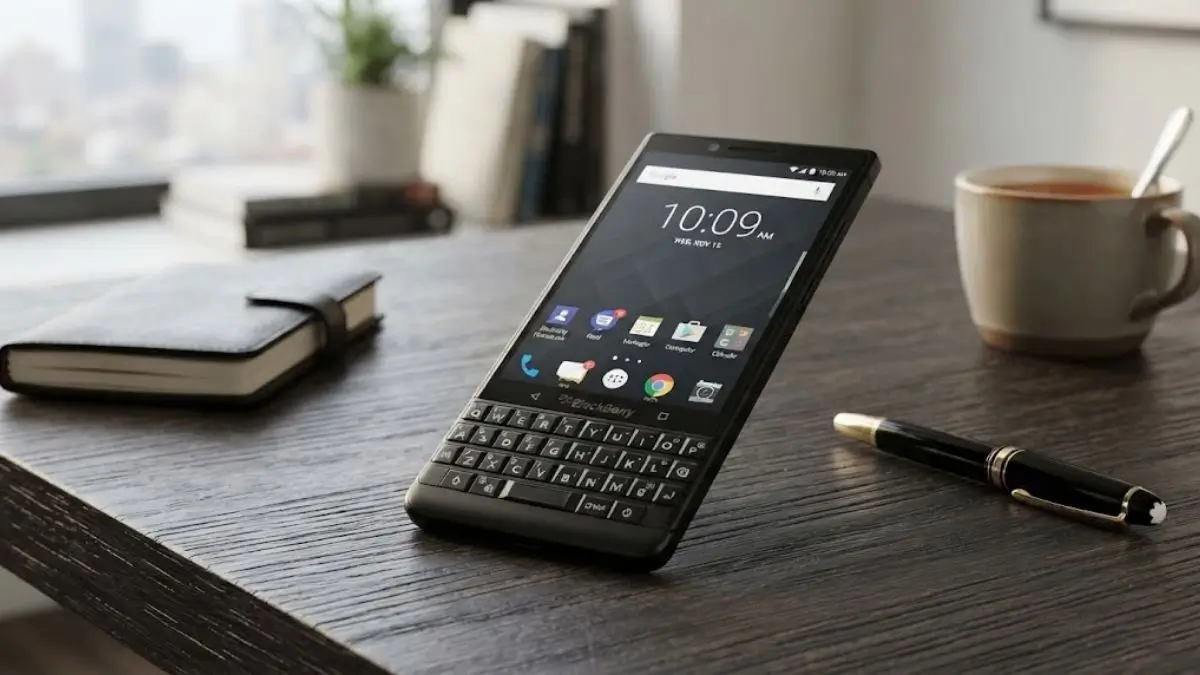
Long before the iPhone or Android devices became extensions of our hands, one gadget ruled the world: the BlackBerry. It was more than just a mobile phone; it was a status symbol, an indispensable corporate tool, and the device that birthed the modern smartphone era.
From its humble beginnings as a two-way pager to its peak as a multi-billion dollar empire, the BlackBerry brand changed how humans interact with technology forever. Here is the definitive history of the device that started it all.
The Birth of the BlackBerry: From Pager to Smartphone
The BlackBerry brand was introduced in 1999 by the Canadian company Research In Motion (RIM). The very first device to bear the name was the BlackBerry 850, a wireless two-way pager that allowed users to send emails on the go.
The name “BlackBerry” was chosen because the tiny, rounded tactile keys on the device closely resembled the small druplets of the fruit. By 2002, RIM integrated cellular calling capabilities into the hardware, releasing the BlackBerry 5810—the first true BlackBerry smartphone.
3 Core Features That Made BlackBerry an Absolute Juggernaut
BlackBerry didn’t just compete with contemporary tech giants like Nokia and Motorola; it created an entirely new market. Its explosive growth was driven by three revolutionary innovations:
The Physical QWERTY Keyboard
While other phones relied on frustrating multi-tap numerical keypads, BlackBerry featured a physical, miniature keyboard. Each key was meticulously angled to allow users to type incredibly fast using only their thumbs.
Always-On “Push Email”
Before BlackBerry, checking digital mail on the move required manually logging onto web servers. BlackBerry changed the game by inventing Push Technology, which automatically forwarded emails from enterprise servers straight to the handset in real-time.
BlackBerry Messenger (BBM)
Launched in 2005, BBM was the absolute grandfather of modern messaging platforms like WhatsApp and iMessage. With its secure data network and unique PIN system, having a “BBM Pin” became an elite social status indicator globally.
The “CrackBerry” Craze: Dominating Pop Culture and Politics
By the late 2000s, the device had become so incredibly addictive that the media universally dubbed it the “CrackBerry.”
At its peak around 2008-2010, BlackBerry was an unstoppable force. It controlled nearly half of the smartphone market in the United States and boasted over 80 million active users worldwide. Its fanbase included:
- Politicians: U.S. President Barack Obama famously fought the Secret Service to keep his secure BlackBerry upon taking office.
- Celebrities: Hollywood elites, musicians like Kim Kardashian, and global business executives refused to be seen without one.
- Wall Street: The banking and corporate sectors ran exclusively on BlackBerry’s ironclad encrypted servers.
The Touchscreen Revolution and the Decline
The turning point for the brand came in 2007 when Apple unveiled the all-touchscreen iPhone, followed closely by Google’s open-source Android operating system.
BlackBerry’s downfall came from a slow response to this massive market shift:
- Dismissing Touch Technology: Leadership believed corporate consumers would always prefer physical keys and long battery life over large media displays.
- App Ecosystem Gap: While Apple built the App Store, welcoming third-party games and social apps, BlackBerry remained strictly focused on business utilities.
- Failed Pivot Models: Later touch-screen attempts, like the BlackBerry Storm and the BlackBerry Torch, suffered from severe software glitches and couldn’t match the smooth user interface of iOS.
By the mid-2010s, hardware market share had plummeted close to zero percent.
What Happened to BlackBerry? The Rebrand to Cybersecurity
In January 2013, RIM officially rebranded its entire corporate identity to BlackBerry Limited. Realizing it could no longer compete in the mobile phone hardware space, the company pivoted. In 2016, it stopped manufacturing its own devices entirely, licensing the brand name out to third-party manufacturers like TCL.
On January 4, 2022, BlackBerry officially decommissioned its legacy operating systems (BlackBerry 7.1 and BlackBerry 10), rendering classic models non-functional for cellular data and calling.
Today, BlackBerry lives on successfully as a global cybersecurity, software, and IoT (Internet of Things) company, protecting critical digital infrastructure for the automotive industry, banks, and governments worldwide.
Frequently Asked Questions (FAQs)
What was the most famous BlackBerry model?
The BlackBerry Bold series (particularly the Bold 9000 and 9900) and the BlackBerry Curve series are widely considered the most iconic and successful models due to their premium builds and mass consumer appeal.
Can you still use a BlackBerry today?
Classic models running original BlackBerry OS software no longer work for calls, texts, or data, as the servers were permanently shut down in January 2022. However, newer Android-powered BlackBerry models (like the KeyOne or Key2) can still function on modern networks.
Why did BlackBerry fail?
BlackBerry failed primarily because it underestimated the rapid consumer shift toward large, multimedia touchscreens and developer-heavy app ecosystems (like Apple’s App Store and Google Play) introduced in 2007.


8 thoughts on “BlackBerry: The History, Iconic Models, and Legacy of the Smartphone Pioneer”