
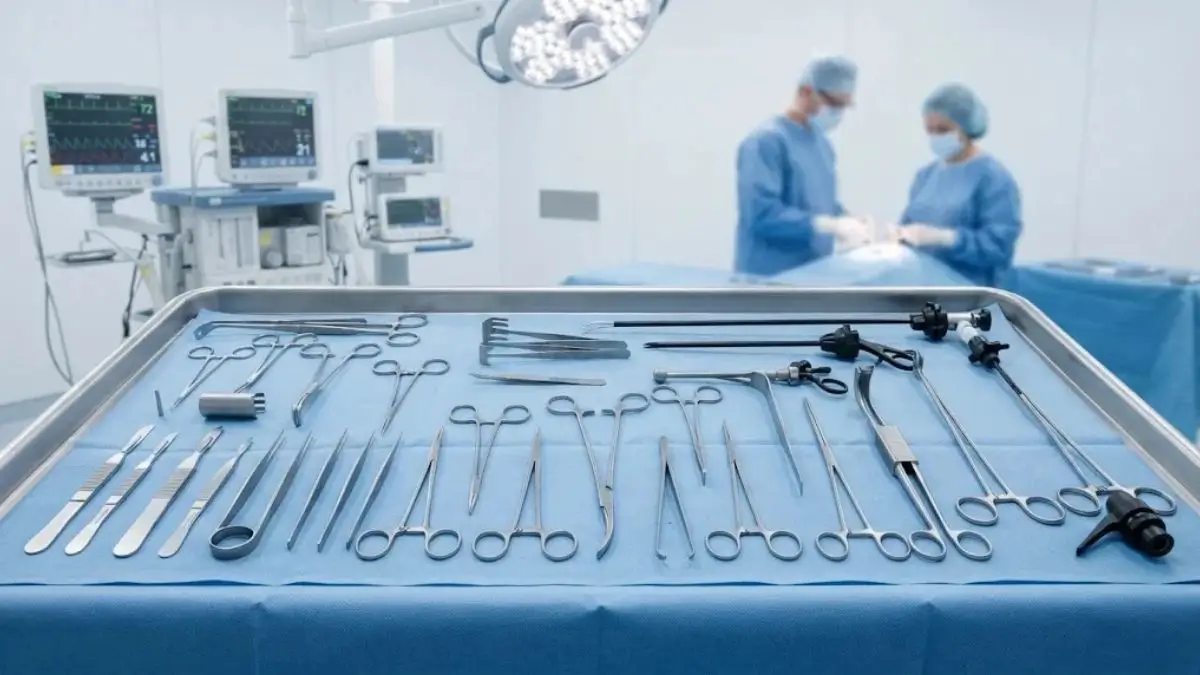
Medical instruments are the specialized tools and devices that allow healthcare professionals to diagnose, monitor, treat, and prevent human diseases with precision. From simple handheld stethoscopes to robotic surgical systems and advanced imaging scanners, these tools bridge the gap between medical knowledge and life-saving patient care.
Introduction to Medical Instruments
In modern healthcare, doctors and nurses rely on medical instruments for virtually every step of a patient’s journey. Whether checking a routine fever at a local clinic or performing delicate brain surgery in a specialized hospital, these tools extend the natural senses and physical capabilities of clinicians. They allow medical teams to see inside the human body without making an incision, measure microscopic chemical changes in the blood, and repair damaged tissues with minimal trauma.
Without reliable medical instruments, modern medicine could not exist. Accurate tools ensure that diseases are caught early, surgeries are performed safely, and patients recover faster with fewer complications. As science and engineering advance, medical instruments continue to evolve from simple mechanical tools into smart, connected devices powered by sensors and artificial intelligence.
A Brief History of Medical Instruments
The evolution of medical tools mirrors humanity’s growing understanding of anatomy, biology, and engineering.
- Ancient Surgical Tools (2000 BC–500 AD): Early civilizations in Egypt, India, and Rome crafted scalpels, forceps, bone saws, and needles from bronze, iron, and obsidian. Ancient Indian surgeon Sushruta documented over 120 surgical instruments, many of which resemble tools still used today.
- The Invention of the Stethoscope (1816): French physician René Laennec rolled a sheet of paper into a tube to listen to a patient’s chest instead of placing his ear directly against it. This simple wooden cylinder evolved into the modern binaural stethoscope, revolutionizing physical examinations.
- The Discovery of X-Rays (1895): German physicist Wilhelm Conrad Röntgen discovered X-radiation, producing the first photographic image of human bones inside a living hand. For the first time, doctors could look inside the body without surgery.
- Sterilization and Stainless Steel (Early 20th Century): As germ theory gained acceptance, hospitals adopted autoclaves to sterilize instruments with high-pressure steam. Manufacturers switched to rust-resistant stainless steel, drastically reducing deadly post-surgical infections.
- Minimally Invasive and Robotic Era (1980s–Present): The introduction of fiber-optic endoscopes, magnetic resonance imaging (MRI), and computer-assisted surgical robots transformed surgery from large, open incisions into tiny keyhole procedures.
Major Categories of Medical Instruments
Healthcare facilities organize thousands of medical instruments into distinct functional categories based on how they support patient care.
1. Diagnostic Instruments
Diagnostic tools help clinicians examine patients, identify symptoms, and confirm medical conditions.
- Stethoscopes: Amplify internal body sounds from the heart, lungs, and digestive tract.
- Otoscopes and Ophthalmoscopes: Use focused light and magnifying lenses to inspect the ear canal, eardrum, and retina inside the eye.
- Sphygmomanometers: Measure blood pressure using an inflatable cuff and pressure gauge or digital sensor.
- Thermometers: Track body temperature using infrared sensors or digital probes to detect fevers and infections.
2. Surgical Instruments
Surgical tools are precision-engineered instruments used in operating rooms to cut, hold, retract, and close human tissues.
- Cutting and Dissecting Tools: Scalpels, surgical scissors, and electrosurgical knives divide skin, muscle, and tissue cleanly.
- Grasping and Holding Tools: Forceps, tweezers, and tissue clamps hold delicate organs, blood vessels, or dressings securely without crushing them.
- Hemostatic Tools: Artery forceps (hemostats) clamp blood vessels to control bleeding during operations.
- Retractors: Hold back skin, muscle, and organs to give surgeons a clear view and safe access to the operating site.
- Suturing Instruments: Needle holders and surgical staplers close wounds and incisions neatly to promote proper healing.
3. Medical Imaging Equipment
Imaging systems create detailed visual maps of internal organs, bones, and blood flow.
- X-Ray and CT Scanners: Use controlled radiation to capture images of bone fractures, lung infections, and cross-sectional views of internal organs.
- Ultrasound Machines: Bounce high-frequency sound waves off soft tissues to monitor pregnancies, examine the heart, and guide needle biopsies safely without radiation.
- MRI (Magnetic Resonance Imaging): Uses powerful magnets and radio waves to generate high-contrast images of the brain, spinal cord, joints, and soft tissues.
4. Patient Monitoring and Life-Support Devices
These instruments continuously track vital signs and sustain critical bodily functions in emergency rooms and intensive care units (ICUs).
- Multiparameter Patient Monitors: Display real-time heart rate, electrocardiograms (ECG), blood oxygen saturation (SpO2), and breathing rates.
- Mechanical Ventilators: Deliver controlled oxygen and air into the lungs of patients who cannot breathe on their own.
- Infusion Pumps: Administer exact doses of fluids, nutrients, and intravenous medications over set periods.
- Defibrillators: Deliver controlled electric shocks to restore a normal heartbeat during sudden cardiac arrest.
5. Laboratory and Analytical Instruments
Behind the scenes, diagnostic laboratories use automated instruments to analyze blood, urine, and tissue samples.
- Microscopes: Magnify cells, bacteria, and tissue biopsies to detect cancers and infections.
- Centrifuges: Spin liquid samples at high speeds to separate blood plasma, red blood cells, and proteins.
- Automated Analyzers: Test hundreds of blood samples per hour for glucose, cholesterol, electrolytes, and hormone levels.
Comparing Common Medical Instrument Categories
Different medical tools vary significantly in how they interact with the patient, their complexity, and where they are used.
| Category | Primary Purpose | Common Examples | Key Design Requirement |
| Diagnostic Tools | Initial physical examination and symptom detection | Stethoscope, otoscope, blood pressure cuff | Portability, ease of use, rapid readings |
| Surgical Instruments | Physical repair, removal, or reconstruction of tissue | Scalpels, forceps, retractors, needle holders | High-grade stainless steel, resistance to sterilization heat |
| Imaging Systems | Non-invasive visualization of internal anatomy | MRI, CT scanner, ultrasound machine | High image resolution, strict radiation/magnetic safety |
| Monitoring & Life Support | Continuous tracking and stabilization of vital signs | ECG monitor, ventilator, infusion pump | 24/7 reliability, instant alarm systems, battery backup |
| Wearable & Home Devices | Remote tracking of chronic health conditions | Continuous glucose monitor, pulse oximeter | Wireless connectivity, compact size, user-friendly interface |
Materials and Engineering Standards
Medical instruments must meet some of the strictest engineering, safety, and hygiene standards of any industry. A single material flaw or calibration error can put a patient’s life at risk.
Surgical-Grade Materials
Most reusable surgical instruments are forged from high-grade austenitic or martensitic stainless steel. This alloy resists corrosion from bodily fluids and survives thousands of high-temperature steam sterilization cycles without losing its sharp edge. For implants and specialized micro-instruments, manufacturers often use titanium because it is lightweight, non-magnetic, and completely biocompatible with human bone and tissue.
Single-Use vs. Reusable Instruments
Hospitals balance safety and cost by using both reusable and disposable tools:
- Reusable Instruments: Heavy-duty metal forceps, clamps, and endoscopes are cleaned, inspected, and sterilized in hospital central sterile supply departments after every procedure.
- Single-Use Instruments: Syringes, hypodermic needles, surgical blades, and catheters are made from medical-grade plastics and thin metals. They come pre-sterilized in sealed packages and are safely discarded after one use to eliminate any risk of cross-contamination.
Regulatory Oversight
Before any medical instrument reaches a hospital or pharmacy, it must pass rigorous clinical testing and regulatory approval. Agencies such as the U.S. Food and Drug Administration (FDA), the European Medicines Agency (EMA), and national health authorities classify devices by risk level—from low-risk bandages and tongue depressors (Class I) to high-risk pacemakers and surgical robots (Class III)—ensuring safety and accuracy.
Sterilization and Infection Control
Preventing hospital-acquired infections is one of the most critical responsibilities in healthcare. Any instrument that touches broken skin, mucous membranes, or sterile internal tissues must be completely free of bacteria, viruses, and fungal spores.
- Autoclaving (Steam Sterilization): The gold standard for metal surgical tools, using pressurized steam heated to 121°C–134°C to destroy all microorganisms.
- Ethylene Oxide (EtO) Gas: Used for heat-sensitive plastic and electronic instruments, such as delicate fiber-optic cameras and catheters, that would melt inside a steam autoclave.
- Hydrogen Peroxide Plasma: A fast, low-temperature sterilization method that leaves no toxic residue and safely sterilizes complex micro-surgical tools.
- Ultrasonic Cleaning: Before sterilization, instruments are placed in baths filled with enzymatic solutions where high-frequency sound waves vibrate away microscopic blood and tissue debris from tiny hinges and crevices.
The Future of Medical Instruments
Rapid breakthroughs in microchips, robotics, and artificial intelligence are reshaping how medical instruments are designed and used.
- Robotic-Assisted Surgery: Systems like surgical robots translate a surgeon’s hand movements into microscopic, tremor-free actions inside the body through tiny incisions. Patients experience less pain, minimal scarring, and shorter hospital stays.
- Smart Wearable Diagnostics: Miniaturized sensors built into smartwatches, skin patches, and continuous glucose monitors now track heart rhythms, blood sugar, and oxygen levels around the clock, alerting doctors to problems before a medical emergency occurs.
- AI-Powered Imaging and Scopes: Artificial intelligence software integrated into ultrasound machines, CT scanners, and colonoscopes highlights suspicious tumors or polyps in real time, helping doctors catch diseases earlier with higher accuracy.
- Point-of-Care Microfluidics: Known as “lab-on-a-chip” devices, these pocket-sized instruments analyze a single drop of blood at a patient’s bedside or in remote rural clinics, delivering complex lab results in minutes rather than days.
- 3D-Printed Custom Instruments: Hospitals are increasingly using 3D printing to create patient-specific surgical guides, anatomical models for pre-surgery planning, and customized orthopedic tools tailored to an individual’s exact bone structure.
Conclusion
Medical instruments are the essential bridge between scientific discovery and compassionate patient care. From ancient bronze scalpels to AI-guided surgical robots and wearable biosensors, these tools have steadily reduced human suffering and extended life expectancy across the globe. As engineering and medicine continue to merge, the next generation of medical instruments will make healthcare more precise, less invasive, and accessible to communities everywhere.



One thought on “Medical instruments”