

Long before the iPhone or Android devices became the center of our daily lives, a single Canadian technology company ruled the corporate and consumer tech world. That company was Research In Motion (RIM).
Founded in a modest office above a bakery in Waterloo, Ontario, RIM went on to invent the BlackBerry and launch the global smartphone revolution [The Canadian Encyclopedia]. However, its story is not just one of unprecedented success, but also a cautionary tale of how rapidly the technology landscape can shift. Here is the definitive history of Research In Motion.
The Birth of RIM: From Budding Start-Up to Tech Giant
Research In Motion was founded in 1984 by two brilliant minds: Mike Lazaridis, a young engineering student from the University of Waterloo, and his childhood friend Doug Fregin. In its earliest days, RIM was not focused on phones at all. Instead, the company worked on wireless data transmission, local area networks, and even barcode readers for film production.
The company’s turning point came when it shifted its focus entirely to wireless communications. By securing early contracts with companies like General Motors and developing two-way pagers, RIM laid the foundational brick for what would become the most secure wireless network ecosystem in the world.
The BlackBerry Boom: How RIM Redefined the Business World
In 1999, RIM introduced a device that would permanently change global culture: the BlackBerry 850 two-way pager. This evolved rapidly into the iconic BlackBerry smartphone lineup. RIM’s massive success was driven by three core pillars:
Enterprise-Grade Security
RIM did not just build hardware; they built the BlackBerry Enterprise Server (BES). This architecture encrypted emails from the corporate server directly to the device. For governments, banks, and major corporations, RIM offered the only mobile network secure enough to trust with classified information.
The QWERTY Keyboard Layout
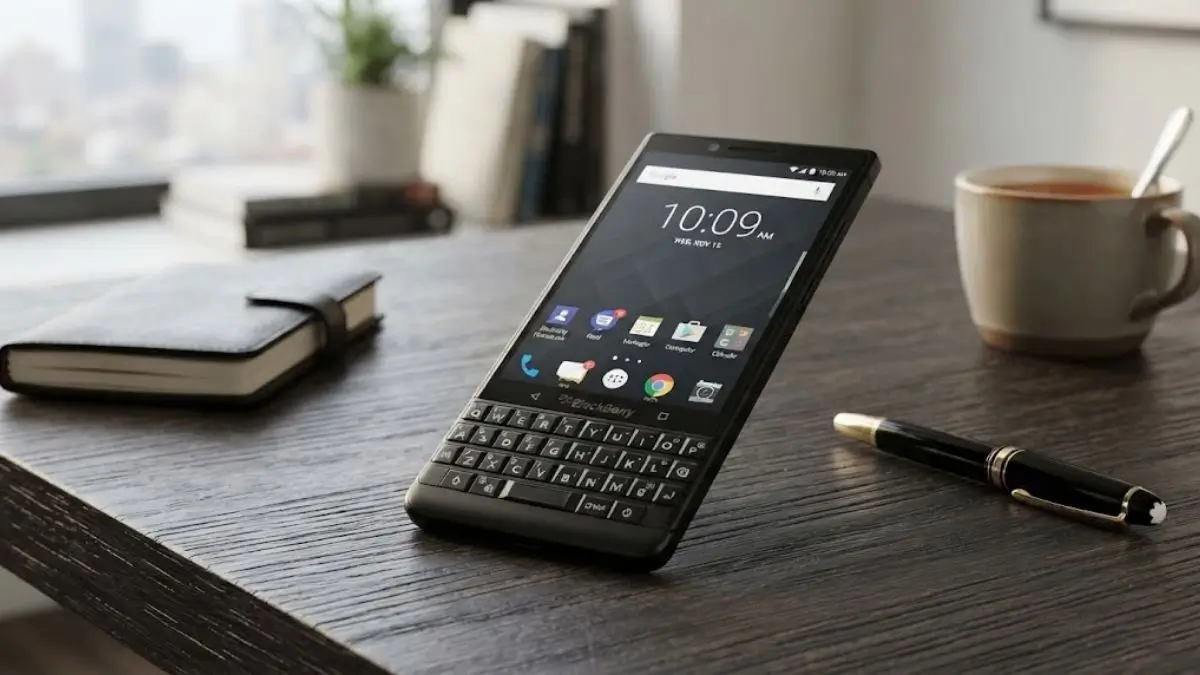
Unlike the clunky multi-tap keypads of Nokia and Motorola devices, RIM introduced tactile physical keyboards optimized for two-thumb typing. The keys were angled beautifully, making mobile email fast and effortless.
BlackBerry Messenger (BBM)
Launched in 2005, BBM was the ultimate precursor to WhatsApp. It allowed users to text instantly over data rather than cellular SMS. Having a “BBM Pin” became a massive social status symbol worldwide.
The Height of Power: The “CrackBerry” Era
By the late 2000s, RIM was an absolute juggernaut. The devices were so addictive that users and media outlets universally nicknamed them “CrackBerries.”
At its peak in 2008, RIM was the most valuable company in Canada, boasting a market capitalization of over $80 Billion. The company controlled nearly 50% of the smartphone market share in the United States and global figures were climbing rapidly. From world leaders like Barack Obama to Wall Street executives and mainstream celebrities, the world ran on RIM.
The Smartphone Wars: Why Did RIM Fail?
The decline of Research In Motion is one of the most studied corporate collapses in tech history. In 2007, Apple introduced the touch-screen iPhone, followed closely by Google’s open-source Android ecosystem.
RIM failed to adapt to this new era due to a few fatal missteps:
- Underestimating the Touch Screen: RIM’s co-CEOs, Mike Lazaridis and Jim Balsillie, believed consumers would always prioritize security and physical keyboards over massive multimedia touch screens.
- Ignoring the Consumer App Ecosystem: While Apple built the App Store and invited developers to build games and tools, RIM remained strictly focused on enterprise emails and corporate tools.
- Delayed Software Upgrades: By the time RIM developed its own touch-screen operating systems (like BlackBerry 10), Android and iOS had already captured the global market.
By 2012, RIM’s market share had plummeted, forcing both Mike Lazaridis and Jim Balsillie to step down from leadership.
The Rebrand and Beyond: What Happened to RIM?
In January 2013, in an attempt to simplify its identity and stage a comeback, Research In Motion officially changed its name to BlackBerry Limited.
While the company eventually stopped manufacturing its iconic physical phones, the spirit of RIM survived. Today, BlackBerry operates as a highly successful cybersecurity and IoT (Internet of Things) software company, providing critical security software to major automotive industries and governments worldwide.
Frequently Asked Questions (FAQs)
What does RIM stand for in technology?
In technology, RIM stands for Research In Motion, the Canadian telecommunications company that famously created and manufactured the BlackBerry smartphone line.
Who founded Research In Motion (RIM)?
Research In Motion was founded in 1984 by Mike Lazaridis and Doug Fregin in Waterloo, Ontario, Canada.
Is Research In Motion still in business?
Yes, but not under the same name or product line. In 2013, Research In Motion officially rebranded to BlackBerry Limited. The company no longer makes smartphones and now operates exclusively as an enterprise software and cybersecurity firm.

6 thoughts on “Research In Motion (RIM): The Rise and Fall of the Smartphone Pioneer”