Introduction: The Voice of Wall Street’s Living Room
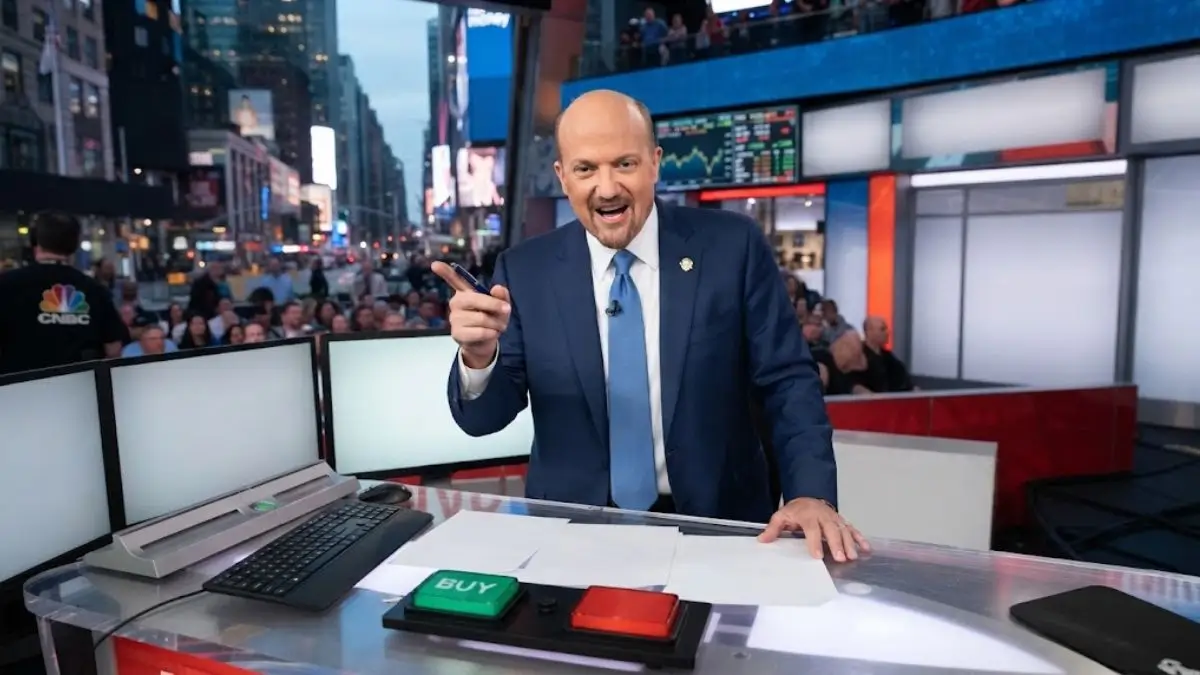
Few media personalities polarize and captivate the financial world quite like Jim Cramer. As the high-energy host of CNBC’s Mad Money and co-host of Squawk on the Street, Cramer has spent decades shouting, ringing sound-effect buttons, and breaking down complex market metrics into digestible pieces for everyday retail investors.
From his early days trading stocks out of a dormitory to running a multi-million-dollar hedge fund and becoming a household television fixture, Cramer’s journey is a study in relentless ambition, media evolution, and market influence.
Early Life and Educational Foundations
Born James Joseph Cramer on February 10, 1955, in Wyndmoor, Pennsylvania (a suburb of Philadelphia), Cramer showed an early fascination with commerce and numbers. As a child, he memorized corporate stock symbols and tracked imaginary portfolios long before market apps or 24-hour cable channels existed.
Despite his later financial focus, Cramer initially pursued writing and journalism. He attended Harvard College, where he graduated magna cum laude with a Bachelor of Arts in government in 1977. During his tenure at Harvard, he served as the president and editor-in-chief of The Harvard Crimson.
Following graduation, Cramer worked as an entry-level reporter for newspapers like the Tallahassee Democrat and wrote obituaries for the Los Angeles Herald-Examiner. After experiencing financial hardships—including living out of his car for several months following a robbery—he pivoted back to law and finance. He enrolled in Harvard Law School, earning his Juris Doctor in 1984. While completing his law degree, Cramer aggressively traded stocks, using his returns to cover his educational expenses.
Wall Street and Hedge Fund Success
Cramer’s formal entry into institutional finance began when Martin Peretz, owner of The New Republic, gave him $500,000 to invest after noticing Cramer’s successful stock picks. Turning a remarkable profit over a two-year span, Cramer caught the attention of major Wall Street firms.
In 1984, he joined Goldman Sachs to work in sales and trading. Shortly after, he left to establish his own hedge fund, Cramer Berkowitz, where he served as senior partner. Operating out of New York, Cramer managed millions of dollars for high-net-worth clients and institutions. Over a multi-year run, his hedge fund achieved an impressive historical track record before he ultimately retired from active fund management to transition fully into media and financial journalism.
Media Career and the Rise of Mad Money
Cramer’s transition from private hedge fund manager to public educator came through digital and print publishing before finding its home on television. He co-founded the financial website TheStreet in the late 1990s, aiming to bring institutional-grade market analysis to regular readers.
In 2005, CNBC launched Mad Money with Jim Cramer. The show revolutionized financial television by turning stock analysis into high-octane entertainment. Complete with sound effects, rapid-fire catchphrases (“Booyah!”), and interactive segments like the “Lightning Round,” Mad Money aimed to democratize Wall Street. Cramer frequently preached core tenets of personal finance:
- Knowing what a company actually does before buying its stock.
- Maintaining a diversified portfolio rather than gambling on speculative trends.
- Utilizing index funds for passive, long-term wealth building if individual stock research proves too time-consuming.
In addition to Mad Money, Cramer expanded his media footprint by co-hosting Squawk on the Street, launching the CNBC Investing Club, and writing several bestselling books, including Confessions of a Street Addict, Real Money, Get Rich Carefully, and How to Make Money in Any Market.
Legacy, Criticism, and Market Impact
Jim Cramer remains a polarizing figure in modern finance. Supporters praise his dedication to financial literacy, noting that he has inspired generations of everyday people to take control of their retirement savings, understand market cycles, and overcome the fear of investing.
Conversely, critics often point to the volatility surrounding stocks he highlights on air—phenomena colloquially tracked by retail traders online who occasionally trade inversely to his suggestions. Nevertheless, Cramer’s longevity, extensive entrepreneurial footprint, and commitment to breaking down economic barriers ensure his status as one of the most recognizable architects of modern financial pop culture.